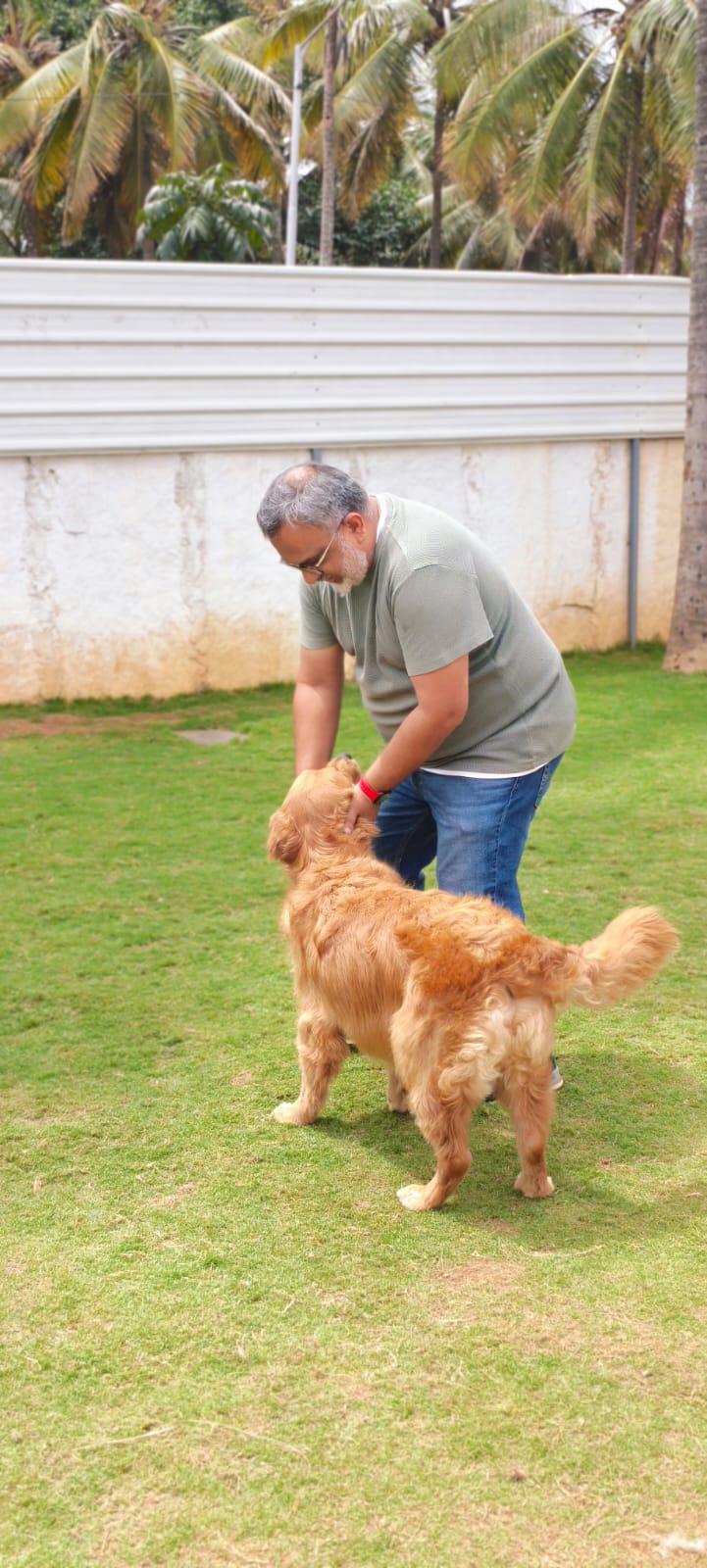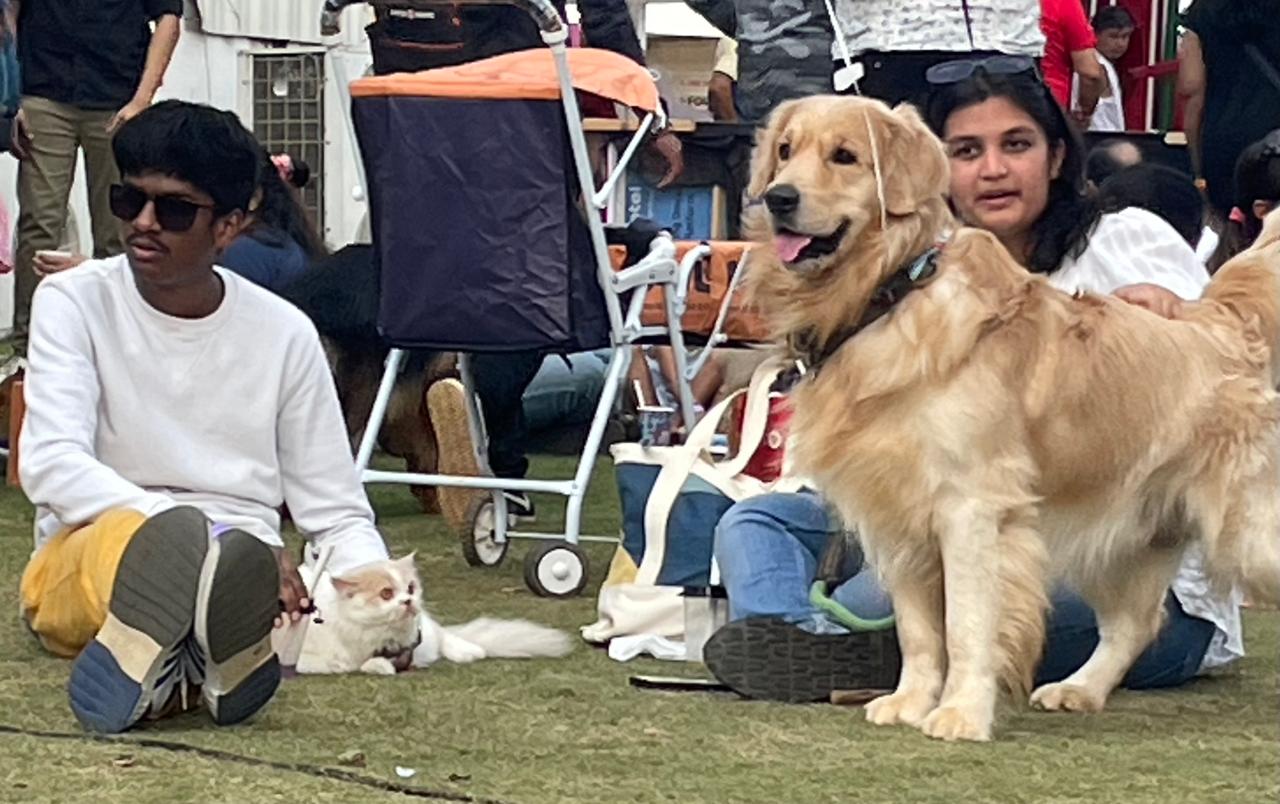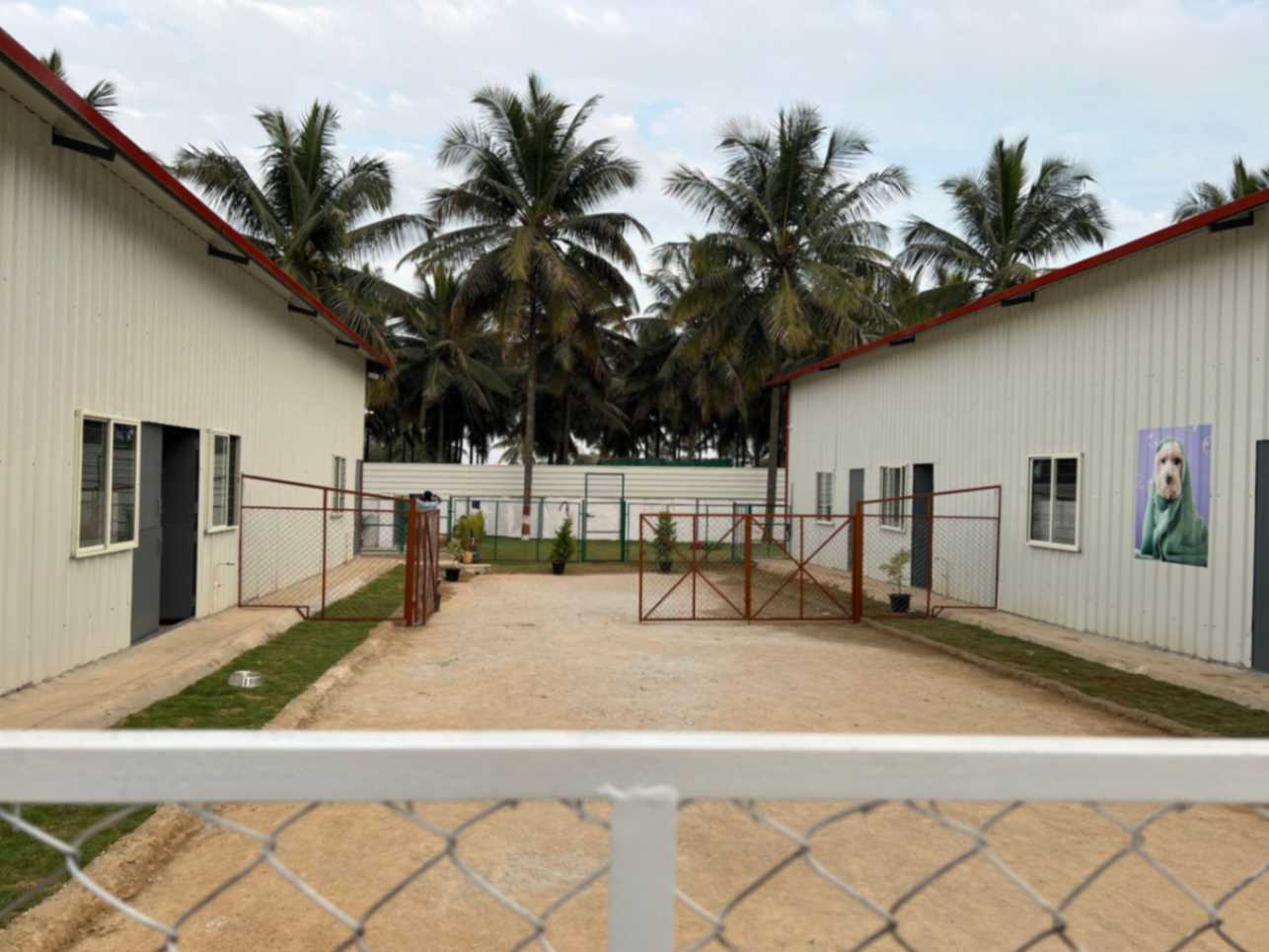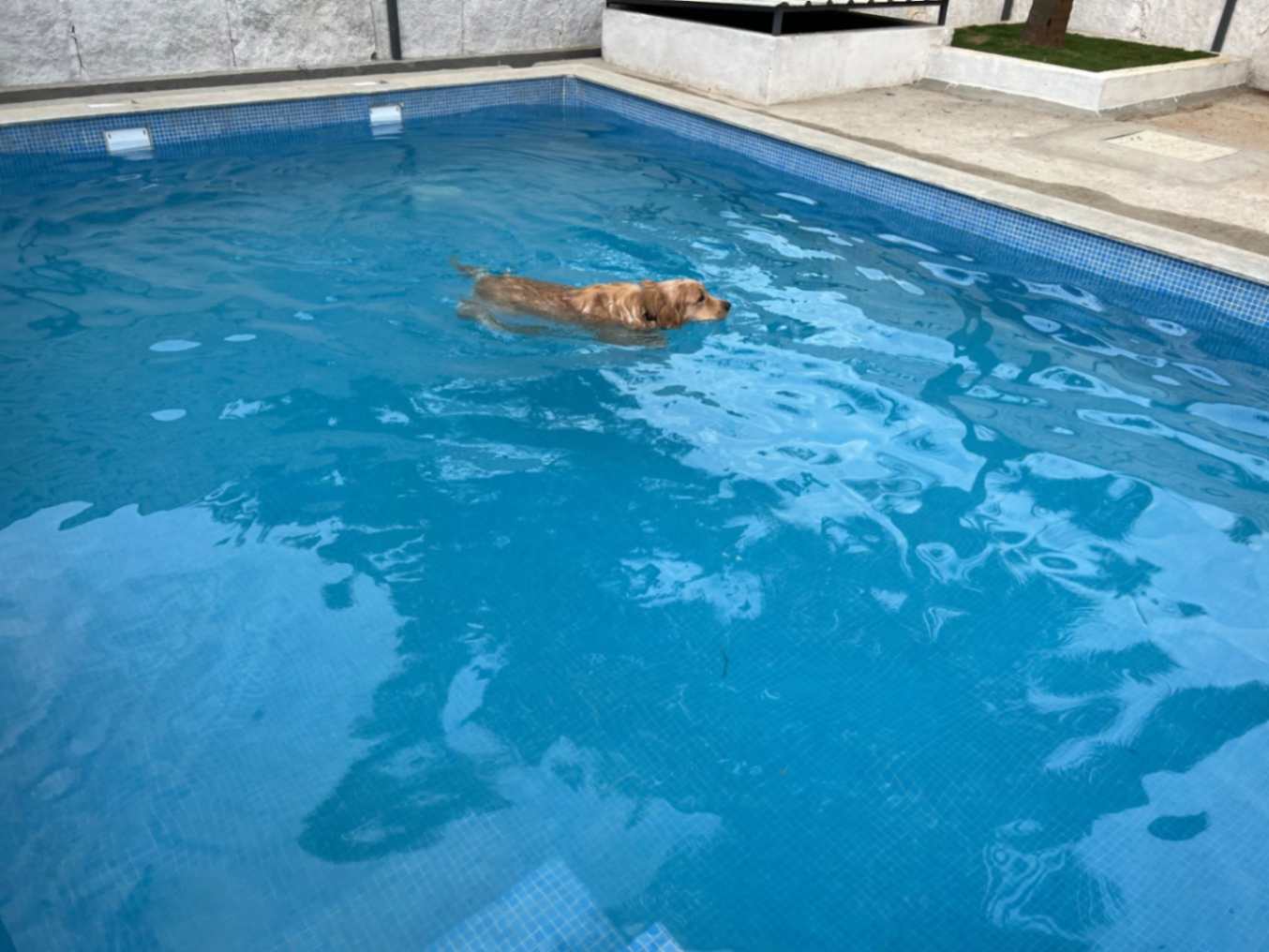
It is common for dogs to feel tired or sleepy after returning home from a boarding stay. A different environment, new routines, social interaction, playtime, and changes in sleep patterns can leave your dog feeling exhausted. However, pet parents may wonder whether this tiredness is normal or whether it could indicate a health concern. Choosing a safe and comfortable Dog Boarding in Budigere Cross can help ensure that your pet receives proper care, rest, nutrition, and supervision while you are away.
In this article, we explain why dogs may feel tired after boarding, which signs are usually normal, what symptoms should not be ignored, and when it is important to consult a veterinarian.

Dogs can become tired after spending time in a boarding environment for several reasons. Even when they have enjoyed their stay, the experience can be physically and mentally stimulating.
1. More Activity Than Usual
Your dog may have spent more time walking, playing, exploring, or interacting with other dogs than they normally do at home. This increased activity can naturally lead to tiredness after returning home.
2. A Different Sleeping Routine
Dogs may sleep differently when they are away from home. New surroundings, unfamiliar sounds, and changes in routine can affect their rest. Once they return home, they may sleep more to catch up on their usual rest.
3. Social Interaction
Some dogs enjoy spending time with people and other pets. Social interaction can be mentally stimulating and tiring, particularly for dogs that are not used to being around many other animals.
4. Stress or Excitement
Even if your dog appears happy at boarding, being away from home can sometimes be stressful or exciting. New smells, sounds, people, and surroundings may require your dog to adjust.
5. Changes in Routine
Dogs generally feel comfortable with familiar routines. Changes in feeding times, exercise, sleeping arrangements, and daily activities can temporarily affect their energy levels.
Mild tiredness or increased sleep after returning from boarding is often not a reason for immediate concern if your dog is otherwise behaving normally.
Your dog may:
- Sleep more than usual
- Rest quietly for a day
- Be less energetic initially
- Drink normally
- Eat normally or return to their normal appetite
- Gradually become active again
Most importantly, your dog should gradually return to their normal behaviour and energy levels.
While tiredness can be normal, certain symptoms may indicate that your dog needs veterinary attention.
1. Loss of Appetite
If your dog refuses food or has a significant decrease in appetite that continues, it should not be ignored.
2. Vomiting or Diarrhoea
Occasional digestive upset can occur for different reasons, including changes in food or routine. Persistent vomiting or diarrhoea, however, may require veterinary evaluation.
3. Excessive Sleepiness
If your dog is extremely lethargic, difficult to wake, unusually weak, or does not respond normally to you, contact a veterinarian promptly.
4. Coughing or Breathing Problems
Coughing, nasal discharge, difficulty breathing, or other respiratory symptoms after boarding should be evaluated by a veterinarian, particularly because dogs may have increased exposure to other animals in boarding environments.
5. Changes in Behaviour
Unusual aggression, hiding, continuous whining, confusion, or significant changes in normal behaviour may indicate that your dog is uncomfortable or unwell.
6. Signs of Pain or Injury
Limping, difficulty walking, excessive licking of a particular area, swelling, or sensitivity when touched can indicate an injury or other health problem.
Once your dog comes home, give them time to relax and return to their normal routine.
1. Allow Plenty of Rest
Avoid immediately planning long walks or intense play sessions. Give your dog a comfortable and quiet place to rest.
2. Provide Fresh Water
Make sure your dog has access to clean, fresh drinking water.
3. Return to the Normal Feeding Routine
If your dog is eating normally, gradually return to their regular meal schedule and diet.
4. Keep Exercise Light Initially
A short, relaxed walk may be appropriate, but avoid strenuous exercise until your dog has regained their usual energy.
5. Observe Your Dog
Spend some time observing your pet after they return. Check their appetite, water intake, behaviour, bowel movements, and overall energy level.
A good boarding facility should provide more than just a place for your dog to stay. Pet parents should consider whether the facility provides appropriate supervision, hygiene, exercise, feeding, rest areas, and emergency support.
Before choosing Dog Boarding in Budigere Cross, consider asking about:
- Daily exercise and play routines
- Supervision of dogs
- Feeding arrangements
- Sleeping areas
- Hygiene and cleaning practices
- Separation of dogs when required
- Emergency veterinary arrangements
- Staff experience with pets
- Communication and updates during the stay
A well-managed boarding environment can help reduce unnecessary stress and provide your dog with a safer and more comfortable stay.
Conclusion
Coming home tired after boarding does not always mean that something is wrong. Dogs may need extra rest after increased activity, social interaction, excitement, or changes in their normal routine. However, persistent lethargy or symptoms such as vomiting, diarrhoea, loss of appetite, breathing difficulties, pain, or unusual behaviour should not be ignored.
Choosing a reliable Dog Boarding in Budigere Cross can help provide your pet with proper supervision, care, exercise, nutrition, and rest while you are away. After bringing your dog home, give them time to relax and carefully observe their behaviour and health
FAQ’s
Yes. Dogs may sleep more after boarding because of increased activity, social interaction, excitement, stress, or changes in their usual sleeping routine.
Mild tiredness may improve after your dog gets some quiet rest and returns to their normal routine. If your dog remains unusually tired or develops other symptoms, consult a veterinarian.
It is usually better to allow your dog to rest initially. Once they appear comfortable and energetic, you can gradually return to their normal exercise routine.
A temporary change in appetite can happen after a change in environment or routine. However, if your dog refuses food for a prolonged period or has other symptoms such as vomiting, diarrhoea, weakness, or pain, seek veterinary advice.
Maintaining familiar routines where possible, providing familiar items if the facility allows them, choosing a suitable boarding environment, and gradually introducing your dog to the facility can help make boarding more comfortable.