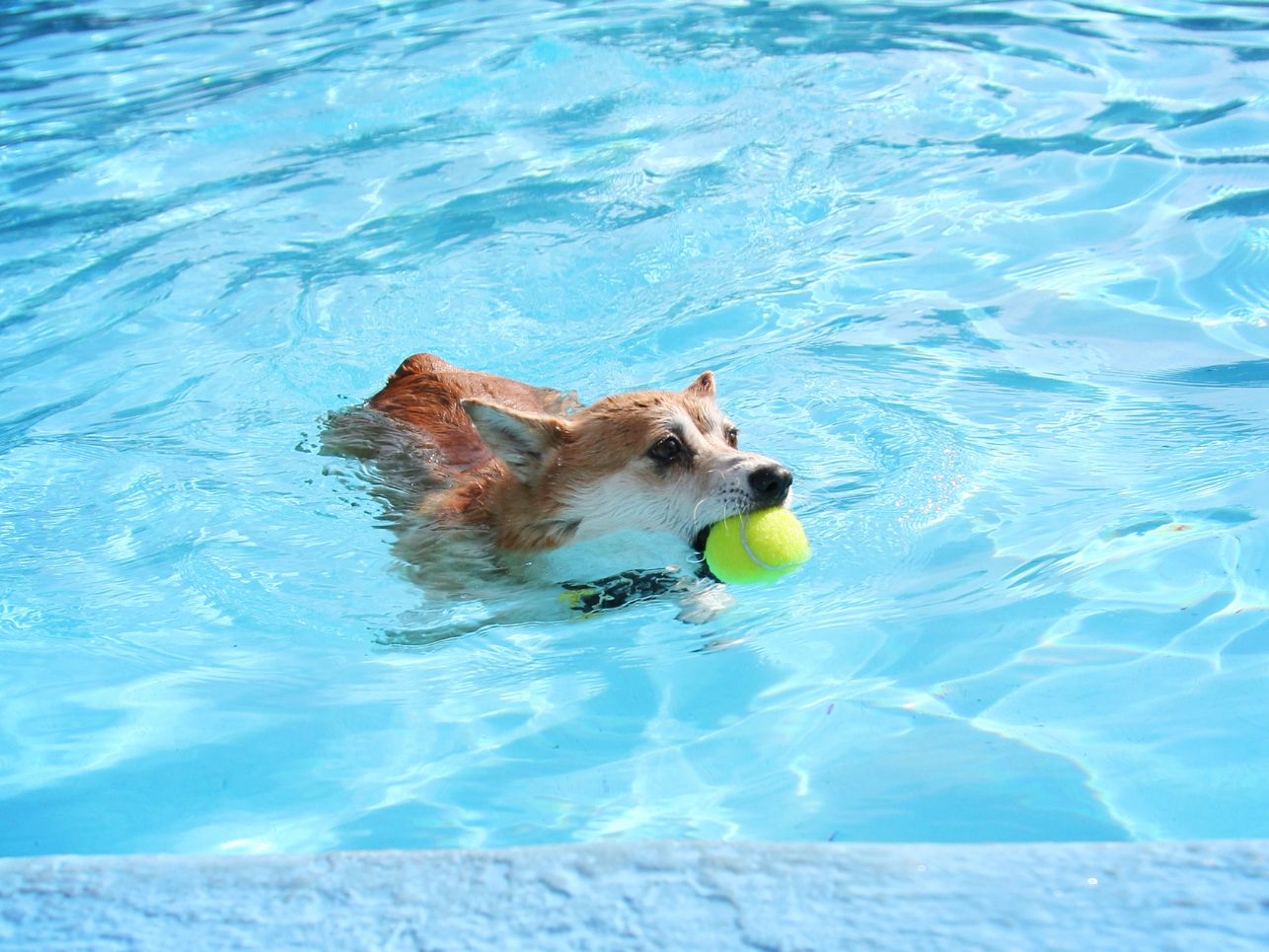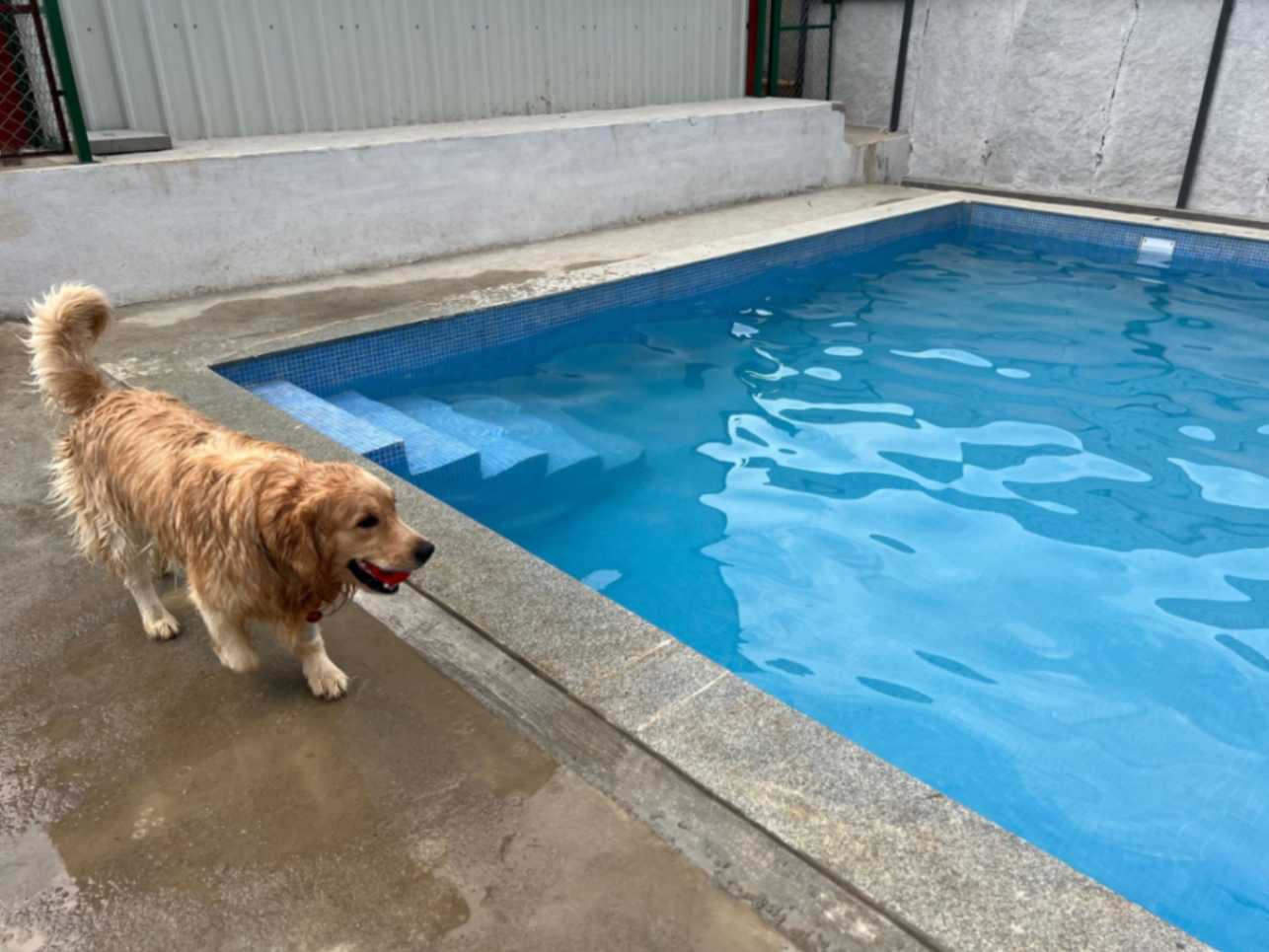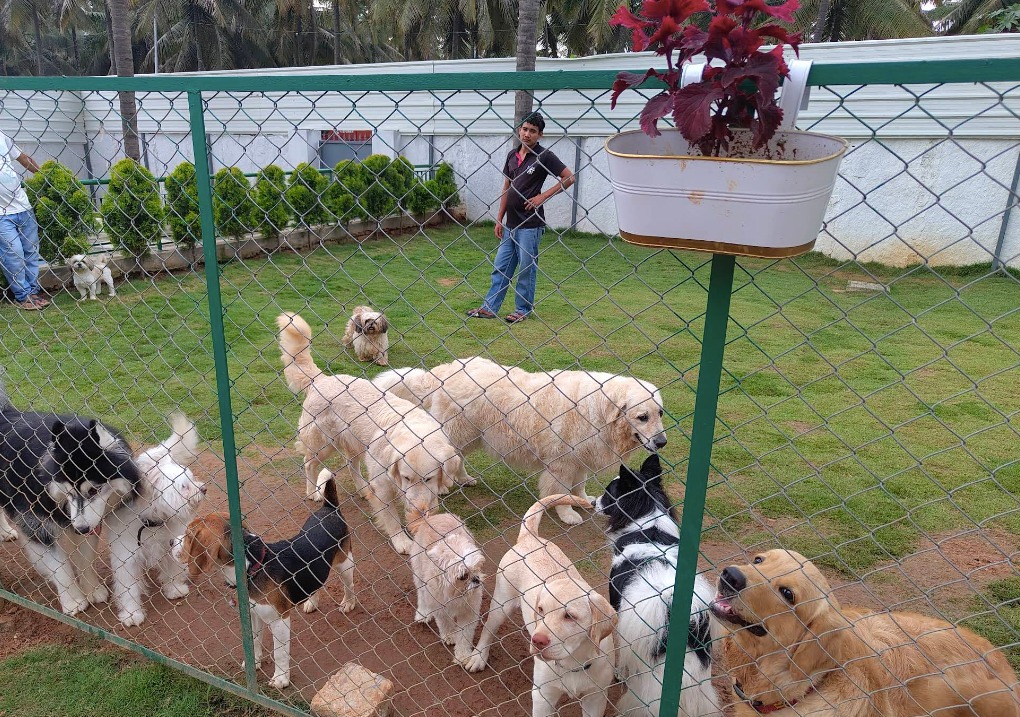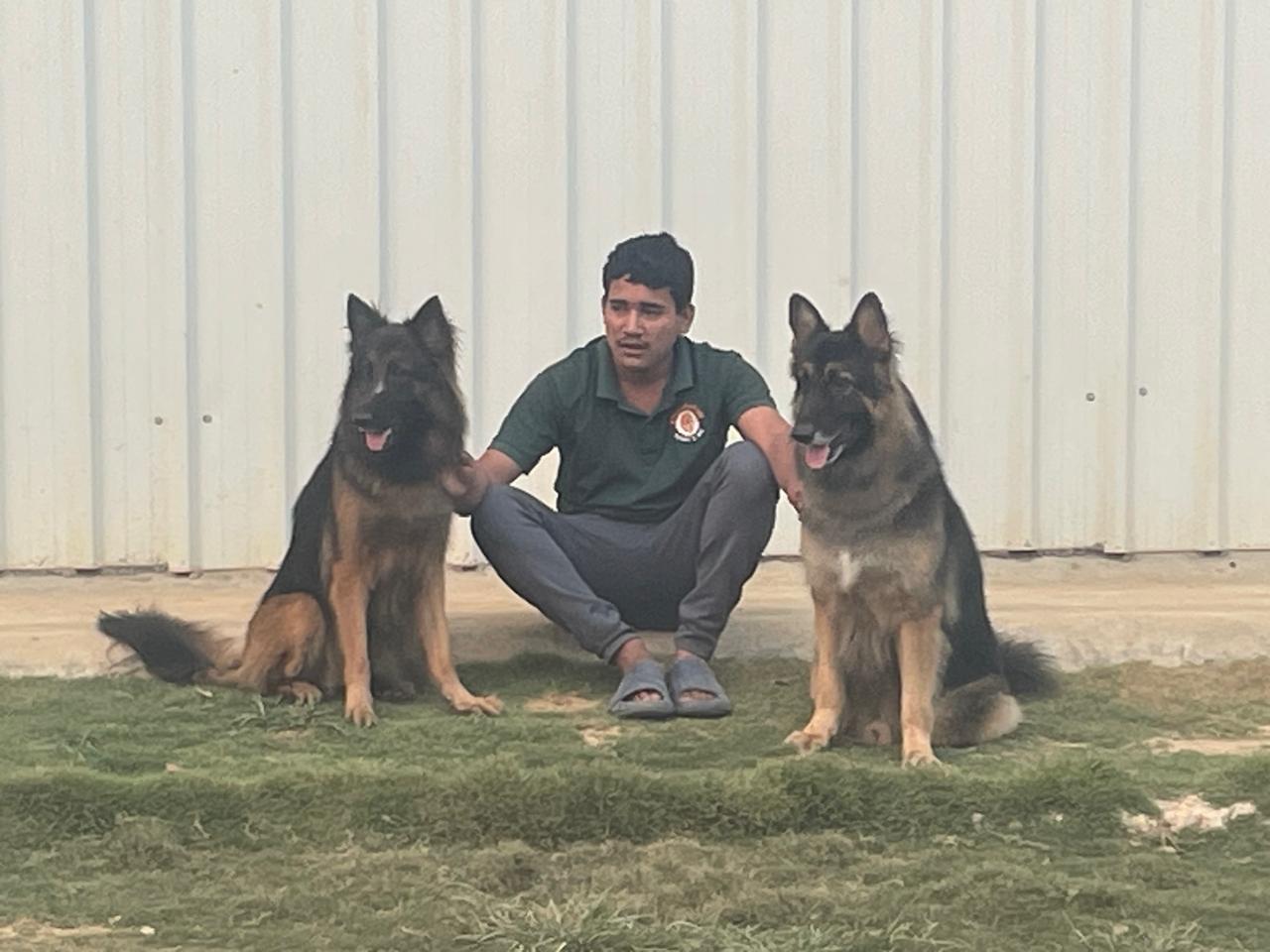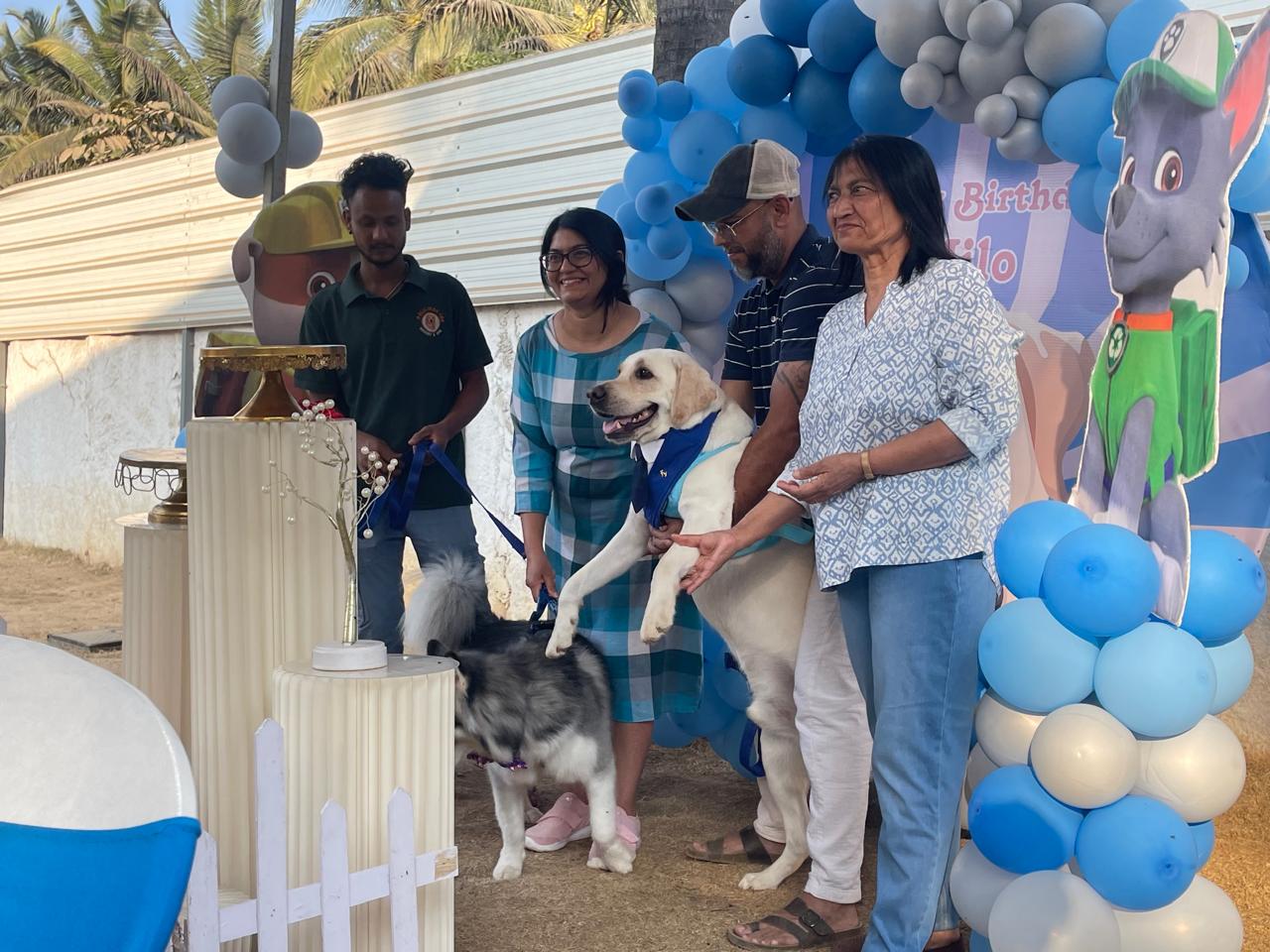
Caring for a dog is about much more than providing food and water. From proper nutrition and exercise to grooming, training, and regular health check-ups, every aspect of care contributes to your dog’s overall well-being. Whether you’re a first-time pet parent or an experienced dog owner, having a simple checklist can help you stay on track. If you’re looking for expert guidance on Pet Care in Bellahalli, this complete dog care checklist will help you give your furry companion the healthy and happy life they deserve.

Daily Dog Care Checklist
Provide Fresh Water
Always ensure your dog has access to clean, fresh drinking water throughout the day.
Proper hydration supports:
- Healthy digestion
- Body temperature regulation
- Kidney function
- Overall health
Feed a Balanced Diet
Feed your dog high-quality food that’s appropriate for their:
- Age
- Breed
- Size
- Activity level
Avoid overfeeding and stick to regular meal times.
Exercise Every Day
Daily exercise keeps dogs physically fit and mentally happy.
Activities can include:
- Walks
- Fetch
- Running
- Playtime
- Interactive games
The amount of exercise depends on your dog’s breed and energy level.
Spend Quality Time Together
Dogs thrive on companionship.
Spend time each day:
- Playing
- Training
- Cuddling
- Talking to your dog
- Going for walks
Strong bonds contribute to better emotional well-being.
Check for Any Changes
Take a few minutes each day to observe your dog.
Look for:
- Changes in appetite
- Limping
- Excessive scratching
- Red eyes
- Unusual behavior
- Low energy
Early detection often leads to quicker treatment if something is wrong.
Weekly Dog Care Checklist
Brush the Coat
Regular brushing helps:
- Remove loose fur
- Prevent mats
- Reduce shedding
- Keep the coat shiny
- Improve skin health
The frequency depends on your dog’s coat type.
Clean Food and Water Bowls
Wash bowls thoroughly to prevent bacteria buildup.
Clean bowls encourage healthy eating and drinking habits.
Check Ears
Inspect your dog’s ears for:
- Dirt
- Redness
- Bad odor
- Excess wax
Healthy ears should be clean and free from irritation.
Inspect Teeth and Gums
Healthy teeth are essential for overall health.
Watch for:
- Bad breath
- Red gums
- Tartar buildup
- Difficulty chewing
Regular dental care helps prevent future problems.
Clean Toys and Bedding
Wash your dog’s:
- Toys
- Blankets
- Beds
Keeping these items clean reduces dirt, bacteria, and odors.
Monthly Dog Care Checklist
Trim Nails
Overgrown nails can make walking uncomfortable and may affect posture.
Trim nails regularly or seek professional grooming assistance if needed.
Check Flea and Tick Prevention
Ensure your dog remains protected from parasites throughout the year.
Follow your veterinarian’s recommendations for preventive treatments.
Monitor Weight
Keep an eye on your dog’s body condition.
Sudden weight gain or loss may indicate nutritional or health concerns.
Inspect Skin and Coat
Look for:
- Bald patches
- Lumps
- Dry skin
- Parasites
- Unusual bumps
If anything seems unusual, consult your veterinarian.
Every Few Months
Schedule Grooming
Professional grooming may include:
- Bathing
- Hair trimming
- Nail trimming
- Ear cleaning
- Coat maintenance
The grooming schedule depends on your dog’s breed and coat type.
Replace Worn-Out Toys
Old toys can become unsafe.
Discard toys with:
- Loose pieces
- Tears
- Sharp edges
- Broken stuffing
Choose toys that are appropriate for your dog’s size.
Review Training Progress
Practice basic commands such as:
- Sit
- Stay
- Come
- Leave It
- Heel
Regular training strengthens good behavior and keeps your dog’s mind active.
Yearly Dog Care Checklist
Veterinary Check-Up
Annual health examinations help monitor your dog’s overall well-being.
Your veterinarian may assess:
- Weight
- Heart health
- Eyes
- Ears
- Teeth
- Joints
- General physical condition
Vaccinations
Stay up to date with vaccinations according to your veterinarian’s recommendations.
Vaccinations help protect your dog from preventable diseases.
Dental Examination
Professional dental check-ups can help detect oral health issues before they become serious.
Healthy teeth contribute to better overall health.
Update Identification
Check that your dog’s:
- ID tag
- Collar
- Microchip information (if applicable)
contain accurate contact details.
Don’t Forget Your Dog’s Mental Health
Mental stimulation is just as important as physical exercise.
Keep your dog engaged with:
- Puzzle toys
- Training sessions
- New walking routes
- Sniffing games
- Hide-and-seek
- Social interaction
A mentally stimulated dog is often happier and less likely to develop boredom-related behaviors.
Emergency Preparedness Checklist
Every pet parent should keep these essentials ready:
- Veterinarian’s contact number
- Emergency clinic information
- First-aid kit for pets
- Medical records
- Regular medications (if prescribed)
- Extra food
- Travel leash and carrier
Being prepared can make emergencies less stressful.
Frequently Asked Questions (FAQs)
1. How often should I walk my dog?
Most dogs benefit from at least one or two walks each day, although exercise needs vary depending on age, breed, and activity level.
2. How often should I groom my dog?
Grooming frequency depends on coat type. Long-haired breeds generally require more frequent grooming than short-haired breeds.
3. What is the most important part of dog care?
A combination of proper nutrition, regular exercise, preventive healthcare, grooming, training, and plenty of love contributes to a dog’s overall well-being.
4. How often should my dog visit the veterinarian?
Healthy adult dogs typically benefit from an annual veterinary check-up, while puppies, senior dogs, or dogs with medical conditions may need more frequent visits.
5. Why is mental stimulation important for dogs?
Mental enrichment helps prevent boredom, reduces destructive behavior, and keeps your dog engaged and confident.
6. Should I brush my dog’s teeth?
Yes. Regular dental care supports healthy gums, fresh breath, and overall health by reducing the risk of dental disease.
7. What should every pet parent keep for emergencies?
It’s helpful to have your veterinarian’s contact details, medical records, a pet first-aid kit, medications (if prescribed), extra food, and updated identification readily available.
Conclusion
Caring for a dog is a daily commitment that goes beyond meeting basic needs. By following a consistent routine for nutrition, exercise, grooming, health care, training, and mental enrichment, you can help your dog live a healthier, happier, and more fulfilling life. If you’re looking for trusted Pet Care in Bellahalli, expert guidance and professional support can make it easier to provide the best care for your four-legged family member at every stage of life.